Ethical Boundaries in Digital Marketing: The High Cost of Unethical SEO
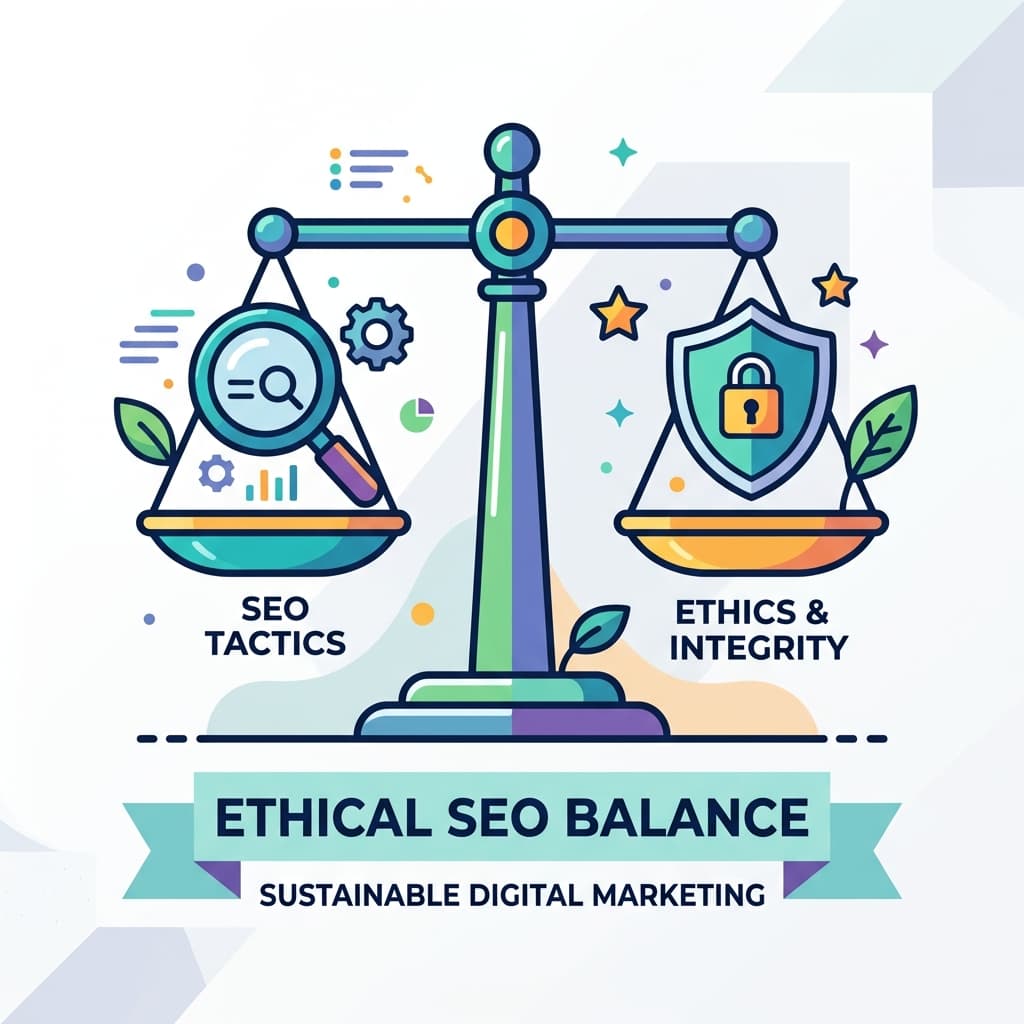
Welcome back to my digital marketing blog! As we continue to explore the technical aspects of building an online presence, we must address the "wild west" of the internet: Search Engine Optimization (SEO) and Search Engine Marketing (SEM). Earning a top spot on a Google results page can bring massive financial success, which makes the temptation to cheat incredibly high. Today, we are going to examine the very real consequences of unethical SEO practices, look at a famous real-world case study, and discuss the undeniable benefits of keeping your marketing strategies ethical.
A Real-World Warning: The J.C. Penney Scandal
There are numerous ways organizations engage in unethical SEO tactics to artificially inflate their search rankings. These methods, often called "black hat" SEO, involve deceiving search engines rather than providing genuine value to human users. One of the most infamous examples of this occurred in 2011 with the retail giant J.C. Penney.
During the holiday season, J.C. Penney mysteriously held the number one organic search ranking on Google for dozens of highly competitive keywords, ranging from "dresses" to "furniture." Upon investigation by cybersecurity experts, it was revealed that J.C. Penney's marketing firm had engaged in massive link farming. They placed thousands of paid, artificial inbound links on completely irrelevant websites (like abandoned blogs about diseases or obscure hobbies) that pointed back to J.C. Penney's product pages (Segal, 2011).
Google's algorithm at the time viewed inbound links as "votes of confidence," so this unethical tactic tricked the system into thinking J.C. Penney was the most authoritative site on the internet. When Google discovered the manipulation, their response was brutal and immediate. They manually penalized the retailer, plummeting J.C. Penney's search rankings from the top spot down to page seven or lower, costing the brand an immeasurable amount of traffic and revenue during a critical shopping season.
The Clear Distinction: Ethical vs. Unethical Practices
To avoid disasters like the J.C. Penney case, marketers must understand the clear distinction between ethical ("white hat") and unethical ("black hat") SEO. As Darryn Balanco notes, ethical SEO techniques are generally those that are clearly visible to a website visitor, whereas hidden tricks usually indicate a hidden agenda (Balanco, n.d.).
Unethical SEO Practices: The goal of unethical SEO is to achieve immediate, short-term ranking results by cheating the accepted code of conduct. Tactics include:
- Keyword Stuffing: Overloading a page with keywords to manipulate rankings, resulting in text that is unreadable for humans.
- Hidden Text: Placing white text on a white background or hiding text behind images so that search engine spiders can read it, but users cannot.
- Cloaking: Submitting different content to search engines than what is actually shown to the human audience.
- Paid or Traded Links: Buying links on irrelevant, low-quality websites (exactly what J.C. Penney did).
Ethical SEO Practices: Ethical SEO focuses on serving the customer and giving them exactly what they want. Tactics include:
- Relevant Content: Creating high-quality, updated information that naturally incorporates keywords the target audience is actually searching for.
- Organic Link Building: Earning inbound links because other reputable websites genuinely find your content valuable.
- Technical Optimization: Adding sitemaps so search engine spiders can easily index the site, and ensuring the website loads quickly and securely.
The Benefits of Being Ethical
While unethical tactics might offer a brief spike in traffic, the benefits of remaining strictly ethical are foundational to a brand's long-term survival. First and foremost, ethical SEO ensures sustainable, long-term growth. Search engine algorithms are constantly evolving to detect and punish manipulation. By playing by the rules, a brand protects itself from devastating manual penalties or being blacklisted entirely.
Furthermore, ethical SEO builds genuine brand trust. When a user clicks an ethical link, they find a site that actually answers their questions and provides a positive user experience. This reliability converts casual searchers into loyal customers. Ultimately, ethical marketing proves that a company respects its audience enough to win their business honestly.
References
Balanco, D. (n.d.). Ethical SEO vs. Unethical SEO. Optimus.
Segal, D. (2011, February 12). The dirty little secrets of search. The New York Times.
DEVAL NATH
System Architect