The Importance of Brand Positioning: How Nike Built an Empire with a Swoosh and Three Words
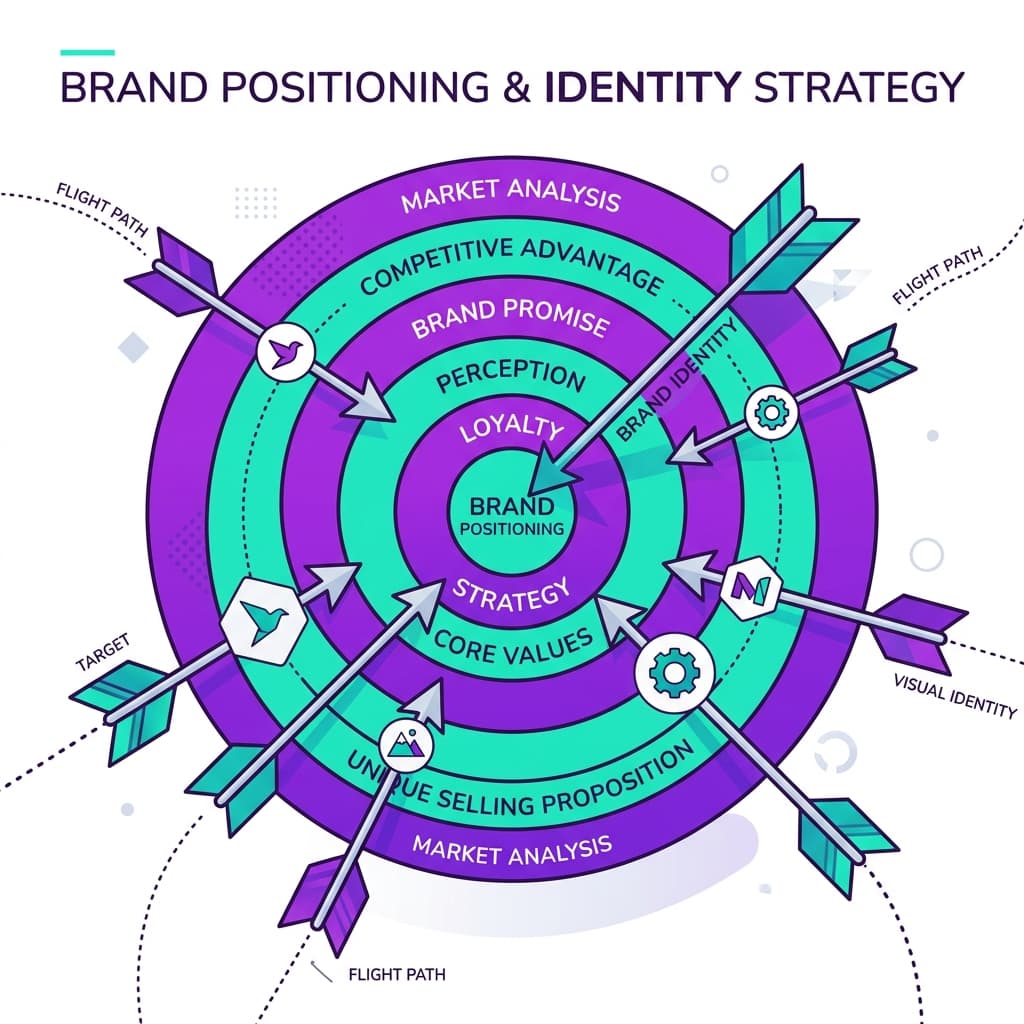
Welcome back to my marketing blog! As I continue to sharpen my understanding of strategic brand management, I find myself constantly drawn to the brands that have mastered the art of positioning. Brand positioning is the process of designing a company's offering and image to occupy a distinct and valued place in the mind of the target consumer (Keller, 2013). Today, I want to examine a brand that has arguably perfected this process: Nike.
Mission, Vision, and the Power of Identity
Nike's mission statement is famously simple: "To bring inspiration and innovation to every athlete in the world." The asterisk that follows adds, "If you have a body, you are an athlete." This inclusive vision is central to how the brand positions itself. Nike does not just sell sneakers or athletic apparel; it sells the aspiration of human potential, and every element of its brand identity reinforces that message.
The name "Nike" itself is a masterful choice, derived from the Greek goddess of victory. Before a consumer ever tries on a shoe, the brand name has already planted a psychological association with winning and triumph. The iconic Swoosh logo, designed in 1971, communicates motion, speed, and forward momentum without a single word. And then there is the legendary slogan, "Just Do It," which transcends sports entirely. It speaks to perseverance, confidence, and action, resonating with athletes, casual fitness enthusiasts, and anyone facing a personal challenge. Together, these three elements communicate a unified brand identity to consumers, competitors, and stakeholders alike: Nike is about empowerment through action.
Points of Parity and Points of Differentiation
To understand why Nike's positioning is so effective, we can apply the framework of points of parity (POPs) and points of differentiation (PODs). POPs are the attributes a brand shares with competitors that qualify it as a legitimate member of its product category. For Nike, these include offering high-quality athletic footwear, moisture-wicking performance apparel, and a global retail presence. These factors are table stakes that brands like Adidas, Under Armour, and New Balance also deliver.
However, Nike's PODs are what truly separate it from the pack. Its emotional branding strategy, built through decades of athlete endorsements from Michael Jordan to Serena Williams, creates a cultural connection that competitors struggle to replicate. Nike does not just sponsor athletes; it tells their stories. The brand's ability to position itself at the intersection of sport, culture, and social commentary (such as the Colin Kaepernick "Believe in Something" campaign) reflects a level of brand equity that goes far beyond product performance (Aaker, 1996). Consumers are willing to pay a premium not just for the shoe, but for the identity that comes with wearing the Swoosh.
Naming Strategies That Strengthen Positioning
Nike's success offers valuable lessons in brand naming strategy. Two approaches stand out:
Symbolic or Metaphorical Naming: By choosing the name of a Greek goddess, Nike used a symbolic naming strategy that instantly imbues the brand with deeper meaning. The name does not describe the product literally (like "QuickShoe" might); instead, it evokes an emotion and an aspiration. This strategy is powerful because it gives the brand room to expand beyond any single product category while maintaining a consistent identity.
Brevity and Memorability: "Nike" is a single, two-syllable word that is easy to pronounce in virtually every language. This simplicity makes it highly memorable and instantly recognizable on a global scale. Brand managers developing a new name should consider how easily it can be recalled, spoken, and searched for online, because in today's digital-first marketplace, a complicated or forgettable name is a significant barrier to effective positioning.
Conclusion
Nike's brand positioning is a textbook example of how a name, a logo, and a slogan can work in harmony to communicate a clear, aspirational identity. By understanding the role of POPs and PODs and by applying strategic naming techniques, brand managers can position their own organizations to stand out in crowded markets. The lesson from Nike is clear: great positioning is not about being louder than the competition. It is about being more meaningful.
References
Aaker, D. A. (1996). Building strong brands. Free Press.
Keller, K. L. (2013). Strategic brand management: Building, measuring, and managing brand equity (4th ed.). Pearson.
DEVAL NATH
System Architect