Decoding My Consumer DNA: Wants, Needs, and the Buyer’s Journey
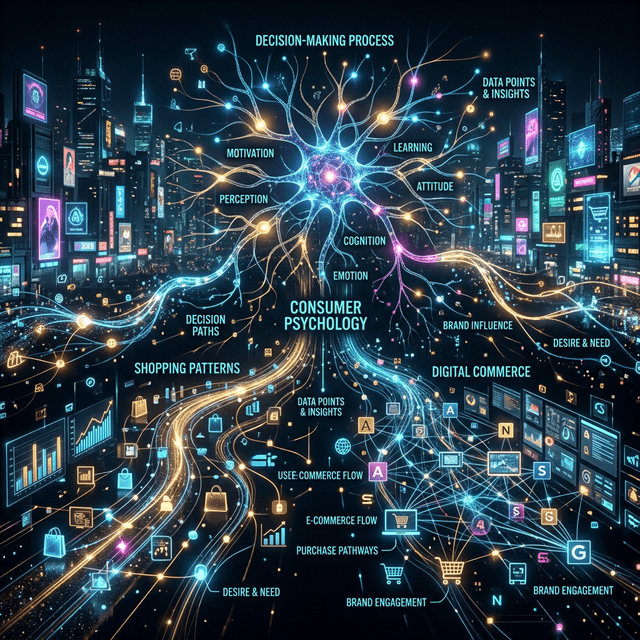
Welcome back to my marketing blog! As we dive into the fascinating world of consumer behavior this term, I have been spending a lot of time reflecting on my own purchasing habits. Understanding how and why consumers make decisions is the foundation of any successful marketing strategy. To truly grasp this, I think it is essential to first hold a mirror up to ourselves. Today, I am going to break down my own consumer identity, exploring the psychology and processes that drive my buying decisions.
What Type of Consumer Am I?
When analyzing my consumer identity through the lenses of demographics and psychographics, I fall firmly into the category of a busy, goal-oriented working student. Demographically, my age, income, and educational pursuits shape my basic needs. However, it is my psychographics—my lifestyle, values, and personality—that truly dictate my purchases. Using frameworks like the VALS (Values and Lifestyles) system, I would classify myself as an "Achiever." I value structure, efficiency, and products that offer practical solutions to save time. Because I balance professional responsibilities with my academic workload, I am a pragmatic consumer. I rarely buy things purely on impulse; instead, I look for items that enhance my productivity or provide a high-quality return on investment.
What Influences My Buying Decisions?
My buying decisions are heavily influenced by a combination of internal psychological factors and external social factors. Internally, my primary motivator is convenience and utility. Externally, I am highly influenced by "social proof"—specifically, peer reviews and user-generated content. I rarely make a significant purchase without reading customer reviews or watching a quick video breakdown on YouTube. Time constraints also play a massive role; if a brand offers fast shipping and a seamless checkout process, I am much more likely to choose them over a competitor, even if the competitor is slightly cheaper.
The Decisive Stage of the Purchasing Process
While the consumer decision-making process consists of five stages (problem recognition, information search, evaluation of alternatives, purchase decision, and post-purchase behavior), the stage that actually leads to my final purchasing decision is the Evaluation of Alternatives. During the information search, I usually narrow my options down to two or three brands. It is in the evaluation stage that I heavily weigh the pros and cons, compare specifications, and scrutinize prices. Once one product proves to have a superior value proposition during this comparative phase, the actual "purchase decision" becomes merely a formality.
The Influence of Marketing Research and Design
I am surprisingly susceptible to good marketing design. A clean, intuitive website with a seamless user experience (UX) signals to me that a company is professional and cares about its customers. If a website is cluttered or hard to navigate, I will often abandon my cart entirely. Furthermore, I see the direct impact of marketing research in the targeted ads I receive. Because companies track search data and browsing habits, I frequently encounter ads tailored perfectly to my demographic—such as productivity tools, study aids, or tech gadgets (like the noise-canceling headset I recently purchased). When marketing research accurately aligns a product's solution with my current pain points, it is highly effective at moving me down the sales funnel.
Experiencing Post-Purchase Behavior
Like most consumers, I definitely experience post-purchase behavior. For smaller, routine items, this usually just manifests as mild satisfaction. However, for high-involvement, expensive purchases, I occasionally experience cognitive dissonance—commonly known as buyer’s remorse. Right after spending a large amount of money, I sometimes wonder if I should have chosen the cheaper alternative or saved my money altogether. To combat this, I find myself re-reading the positive reviews of the product I just bought to validate my decision. When the product arrives and performs well, that dissonance fades into brand loyalty.
Understanding my own habits, biases, and decision-making frameworks not only makes me a more mindful shopper, but it also gives me incredible insight into the minds of the target markets we will be studying for our final project this term.
References
Babin, B. J., & Harris, E. G. (2018). CB: Consumer behavior (8th ed.). Cengage Learning.
DEVAL NATH
System Architect