Final Project Review: Apple Inc. and a New Consumer Product Idea
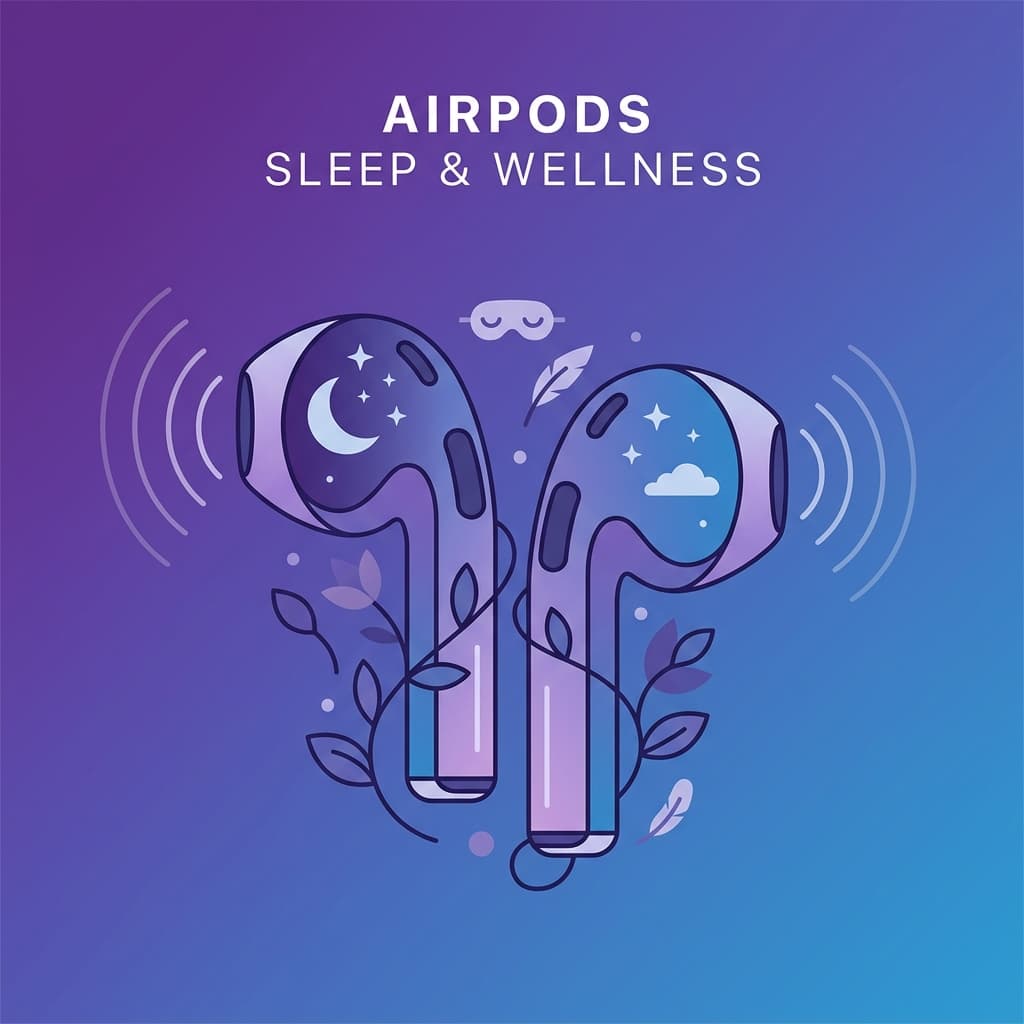
For my final project, I selected Apple Inc. as the Fortune 500 organization to build a marketing research brief around. Apple is one of the most recognizable consumer technology brands on the planet, and its products already play a central role in how people work, communicate, and manage their health. Fortune listed Apple among the top companies in the 2026 Fortune 500, reinforcing the company's continued dominance in revenue, brand value, and global market influence. Apple is also uniquely suited for this project because the company has a proven track record of weaving hardware, software, privacy, and design into products that feel both simple and indispensable.
The Product Concept: Apple AirPods Sleep
The consumer product I am proposing is Apple AirPods Sleep: a new category of AirPods engineered specifically for sleep, relaxation, and nighttime wellness.
Unlike standard AirPods, this product would feature a dramatically smaller, softer form factor designed for side sleepers and extended overnight wear. Core capabilities would include soft noise masking, passive sleep tracking through biometric sensors, gentle wake-up audio that replaces jarring alarms, and deep integration with Apple Health. The product could also leverage Apple Intelligence to personalize relaxing soundscapes, deliver bedtime wind-down reminders, and surface actionable sleep insights each morning, all while maintaining Apple's privacy-first approach through on-device processing and Private Cloud Compute (Apple, 2026a).
Because Apple already connects its ecosystem through the iPhone, Apple Watch, AirPods, and Apple Health, this product would slot naturally into a consumer's existing setup without requiring any new learning curve.
Why Apple, and Why Sleep?
Sleep and wellness are among the fastest-growing consumer concerns, especially for students, working professionals, parents, and heavy screen-time users. Many consumers already cobble together a patchwork of apps, wearables, white-noise machines, or generic earbuds to improve their nighttime routines, but no premium brand has yet delivered a single, integrated product focused exclusively on sleep comfort and wellness.
This gap represents a significant market opportunity. Apple has also doubled down on privacy within its Apple Intelligence features, including on-device processing and end-to-end encryption of health data (Apple, 2026b), which could directly address consumer anxiety around sharing sensitive sleep and biometric information with a tech company.
The Research Problem
The central marketing research problem is straightforward: Would Apple customers actually purchase a dedicated sleep-focused AirPods product, and if so, what features, price points, and messaging would make it most compelling?
Beyond purchase intent, the research must also explore whether consumers would perceive Apple AirPods Sleep as meaningfully differentiated from regular AirPods, standalone sleep apps, or competing wellness devices like the Bose Sleepbuds. Without clear differentiation, even a well-designed product risks cannibalizing Apple's existing AirPods line rather than expanding the market.
Proposed Research Objectives
To answer these questions, I outlined five core research objectives:
- Identify target market segments most likely to purchase Apple AirPods Sleep, including demographics, psychographics, and behavioral patterns.
- Understand consumer attitudes toward wearing earbuds or wearable technology during sleep, including comfort concerns and perceived health risks.
- Evaluate feature importance by ranking attributes like comfort, battery life, noise masking, sleep tracking, privacy guarantees, and Apple Health integration.
- Measure purchase intent at different price points to determine optimal pricing strategy and willingness to pay a premium.
- Determine the most effective positioning strategy by testing whether wellness messaging, productivity messaging, or ecosystem integration messaging resonates most strongly.
Research Design: A Mixed-Method Approach
For the research design, I would employ a mixed-method approach that begins with exploratory research and then transitions into descriptive research.
Phase One (Exploratory): This stage would consist of focus groups and in-depth interviews with three distinct consumer segments: current Apple ecosystem users, people who actively struggle with sleep quality, and consumers who already use wellness or sleep-tracking products. The goal is to uncover the underlying motivations, emotional concerns, and unmet expectations that quantitative data alone cannot capture.
Phase Two (Descriptive): Building on the qualitative insights, this stage would deploy a large-scale online survey to measure consumer preferences, rank feature importance, assess price sensitivity, and quantify purchase intent across demographic segments. This combination allows Apple to first understand the "why" behind consumer behavior and then collect statistically significant data to support product development and go-to-market decisions.
Conclusion
Apple AirPods Sleep represents a strong product concept for a marketing research brief because it connects directly with a real and growing consumer need, fits seamlessly into Apple's existing hardware and software ecosystem, and raises critical research questions about consumer behavior, product positioning, pricing psychology, and data privacy expectations. Through this project, I hope to demonstrate how rigorous marketing research can help companies reduce uncertainty and make evidence-based decisions before committing resources to a new product launch.
References
Apple. (2026a). Apple Intelligence brings powerful AI capabilities into everyday experiences.
Apple. (2026b). Privacy.
Fortune. (2026). Apple company profile.
DEVAL NATH
System Architect